Everett Sports Court Paving Methods

Creating a durable, safe, and visually appealing sports court requires precise paving techniques. The right approach ensures longevity, optimal performance, and minimal maintenance. I will walk you through the essential sports court paving methods that deliver consistent results. These methods are tailored to meet the demands of commercial properties, HOAs, and facility managers who expect quality and reliability.
Understanding Sports Court Paving Methods
Sports court paving is not just about laying asphalt or concrete. It involves a series of carefully planned steps to ensure the surface meets specific standards for safety, traction, and durability. The most common paving methods include asphalt paving, concrete paving, and synthetic surface installation.
Asphalt Paving: Offers flexibility, quick installation, and cost-effectiveness. It is ideal for multi-use courts and areas with fluctuating weather conditions.
Concrete Paving: Provides a rigid, long-lasting surface with excellent load-bearing capacity. It is preferred for tennis courts and basketball courts requiring a smooth, hard surface.
Synthetic Surfaces: These include acrylic coatings and modular tiles that enhance grip and reduce injury risks. They are often applied over asphalt or concrete bases.
Each method has its advantages and specific use cases. Selecting the right one depends on the intended sport, budget, and environmental factors.
Key Steps in Sports Court Paving
The success of any sports court paving project hinges on meticulous preparation and execution. Here are the critical steps involved:
Site Assessment and Design
Evaluate soil conditions, drainage, and court dimensions. Proper design ensures water runoff and prevents pooling, which can damage the surface.
Excavation and Base Preparation
Remove existing materials and excavate to the required depth. Install a compacted base layer of crushed stone or gravel to provide stability.
Sub-base Installation
Lay a sub-base layer that supports the pavement and improves drainage. This step is crucial for preventing cracks and surface deformation.
Paving Application
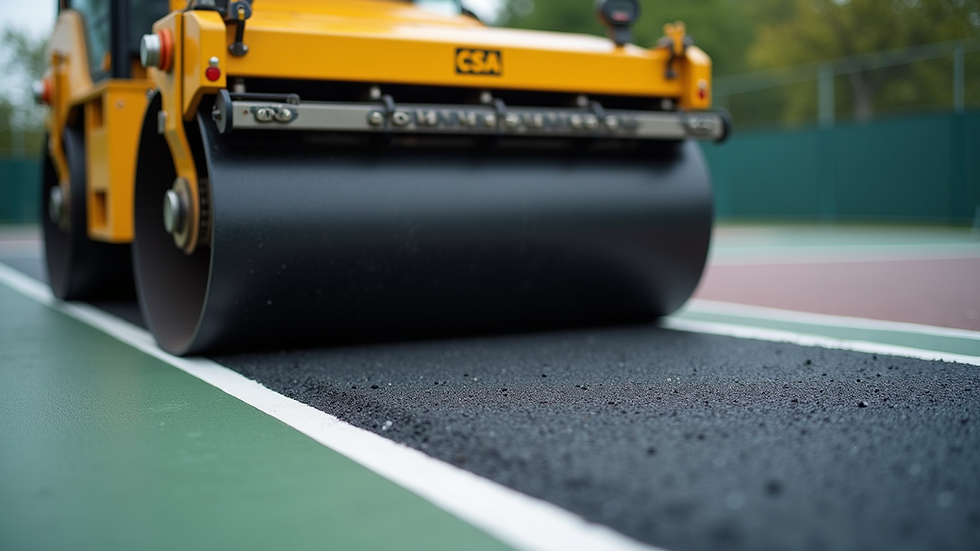
Apply asphalt or concrete evenly. For asphalt, use a paver machine to ensure uniform thickness. For concrete, pour and finish with trowels or rollers.
Curing and Surface Treatment
Allow concrete to cure properly to achieve maximum strength. Apply surface coatings or synthetic layers to enhance performance and aesthetics.
Line Striping and Accessories
Paint court lines with durable, weather-resistant paint. Install nets, posts, and other necessary equipment.
Following these steps guarantees a sports court that meets industry standards and user expectations.
Material Selection and Quality Control
Choosing the right materials is fundamental to the court’s performance and lifespan. High-quality aggregates, binders, and coatings make a significant difference.
Asphalt Mix Design: Use a mix tailored for sports courts, with fine aggregates for smoothness and polymer modifiers for flexibility.
Concrete Mix: Opt for a high-strength mix with additives to improve durability and reduce shrinkage.
Surface Coatings: Acrylic or polyurethane coatings should be UV-resistant and slip-resistant.
Quality control during paving is essential. Regular testing of material samples, thickness measurements, and surface smoothness checks prevent costly repairs later.
Maintenance Practices for Longevity
Proper maintenance extends the life of sports courts and preserves their functionality. Implementing a routine maintenance plan is critical.
Regular Cleaning: Remove debris, leaves, and dirt to prevent surface damage.
Crack Sealing: Address cracks promptly to avoid water infiltration and base erosion.
Surface Recoating: Apply new coatings every few years to maintain grip and appearance.
Drainage Inspection: Ensure drainage systems are clear and functioning to prevent water damage.
Scheduled inspections help identify issues early. Investing in maintenance reduces the need for costly resurfacing or reconstruction.
Why Choose Professional Paving Services
Professional paving services bring expertise, equipment, and quality assurance to sports court projects. They understand the nuances of different sports and the technical requirements of paving.
Precision and Efficiency: Skilled crews ensure accurate grading, paving, and finishing.
Compliance with Standards: Professionals adhere to industry guidelines for safety and performance.
Customized Solutions: Tailored paving methods based on site conditions and client needs.
Warranty and Support: Reliable contractors offer warranties and ongoing support.
For those seeking dependable results, partnering with a trusted paving company is the best choice. For example, everett sports court paving delivers high-quality asphalt solutions with a reputation for reliability and precision.
Enhancing Court Performance with Advanced Techniques
Innovations in paving technology improve sports court performance. Techniques such as permeable asphalt, rubberized surfaces, and integrated drainage systems are gaining popularity.
Permeable Asphalt: Allows water to pass through, reducing runoff and improving safety.
Rubberized Surfaces: Provide shock absorption, reducing injury risk.
Integrated Drainage: Prevents water accumulation and surface damage.
Incorporating these techniques requires specialized knowledge and equipment but results in superior courts that meet modern standards.
By applying these sports court paving methods, you ensure a durable, safe, and attractive playing surface. Whether constructing a new court or resurfacing an existing one, attention to detail and quality materials are key. Trust the process, invest in expertise, and your sports court will serve its purpose for years to come.


Comments